What to Do When a Cut Does Not Need Stitches
Minor cuts are common and can often be treated safely at home with proper care. When a cut is small, shallow, and stops bleeding within a short time, stitches may not be necessary. Taking the right steps early can support healing, reduce discomfort, and help keep the skin clean and protected.
Check the Severity of the Cut
Before starting treatment, examine the injury carefully. A minor cut usually has the following signs:
- Bleeding slows down quickly
- The edges are not widely separated
- The cut is shallow rather than deep
- Movement is not affected
- There is no visible dirt trapped inside
If the cut appears manageable, simple home care can often help it heal naturally.
Wash Your Hands First
Clean hands help prevent irritation and reduce the chance of infection.
Helpful steps include:
- Wash hands thoroughly with soap and water
- Dry hands using a clean towel
- Avoid touching the wound unnecessarily
Keeping the area clean from the beginning supports smoother healing.
Clean the Cut Gently
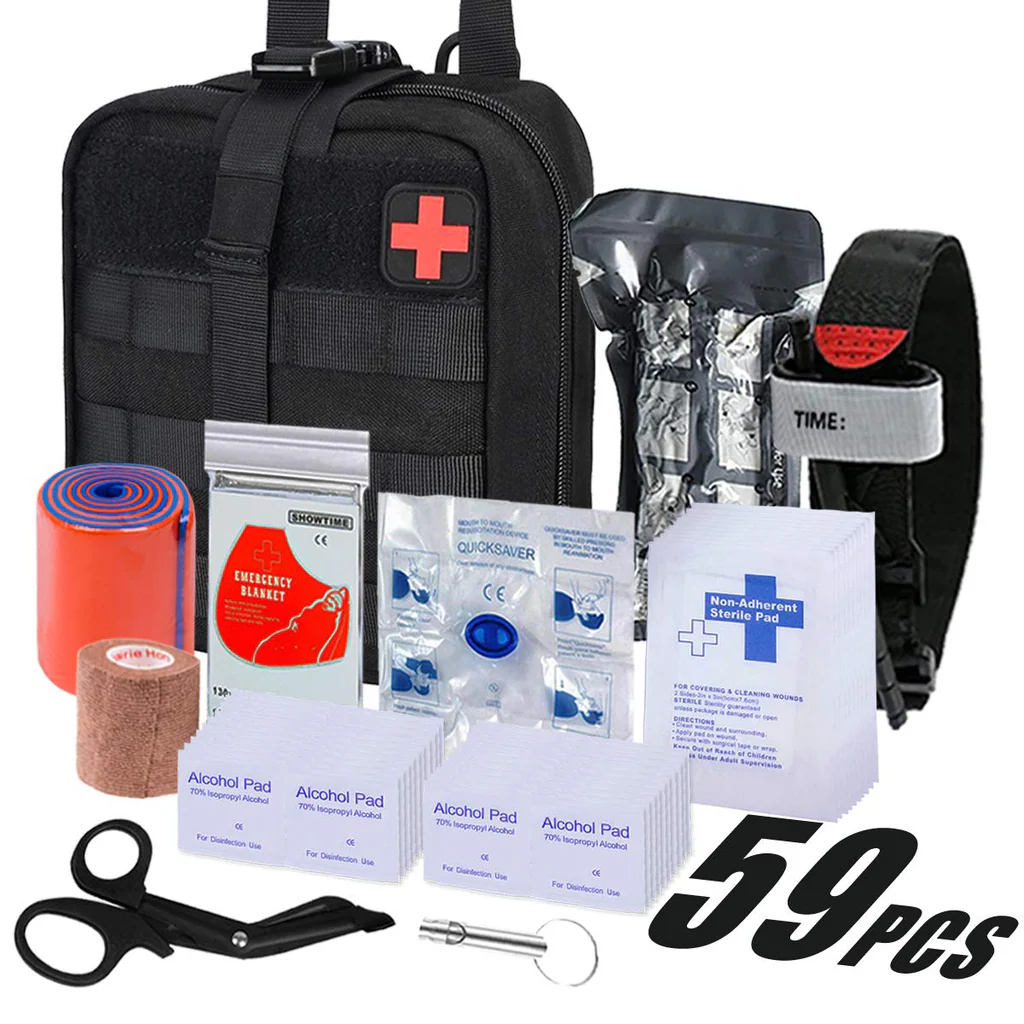
Rinsing the wound is one of the most important steps.
Proper cleaning methods:
- Use cool or lukewarm running water
- Remove small particles gently
- Pat the surrounding skin dry carefully
- Avoid rubbing the injured area
Gentle cleaning helps remove surface debris while protecting delicate skin.
Stop the Bleeding Safely
Small cuts often stop bleeding naturally after a few minutes.
To manage bleeding:
- Apply light pressure using a clean cloth
- Keep the injured area raised if possible
- Stay calm and avoid repeated checking
Consistent pressure usually helps the blood clot more effectively.
Protect the Wound
Covering a minor cut can keep it how to close a cut without stitches cleaner and more comfortable during daily activities.
Good protection tips:
- Use a clean dressing or bandage
- Change coverings regularly
- Keep the area dry when possible
- Avoid tight wrapping
A protected wound is less likely to become irritated from friction or dust.
Support Natural Healing
Healthy habits can help the skin recover faster.
Useful healing practices:
- Drink enough water
- Eat balanced meals rich in nutrients
- Get proper rest
- Avoid picking at scabs
The body repairs itself more effectively when overall health is supported.
Watch for Signs of Improvement
Most small cuts improve steadily within several days.
Positive healing signs include:
- Reduced redness
- Less tenderness
- Formation of a dry scab
- Gradual closing of the skin
Monitoring progress helps ensure the wound continues healing normally.
Know When Extra Care May Be Needed
Even minor cuts should be observed carefully.
Seek medical attention if:
- Bleeding continues for a long time
- Swelling becomes severe
- The cut becomes unusually painful
- Pus or strong odor develops
- Fever appears during healing
Early attention to warning signs can help avoid complications.
Prevent Future Minor Injuries
Simple habits can lower the risk of cuts during everyday tasks.
Smart prevention ideas:
- Handle sharp objects carefully
- Keep work areas organized
- Wear protective gloves when appropriate
- Store tools safely after use
Small precautions can make daily activities safer and more comfortable.
A minor cut that does not need stitches can often heal well with careful cleaning, protection, and patience. Gentle care, healthy habits, and regular monitoring all contribute to a smooth recovery. By responding quickly and keeping the wound clean, many small injuries can heal naturally and comfortably at home.